Adobe May – Aug 2023 · Research draft
Control2Control
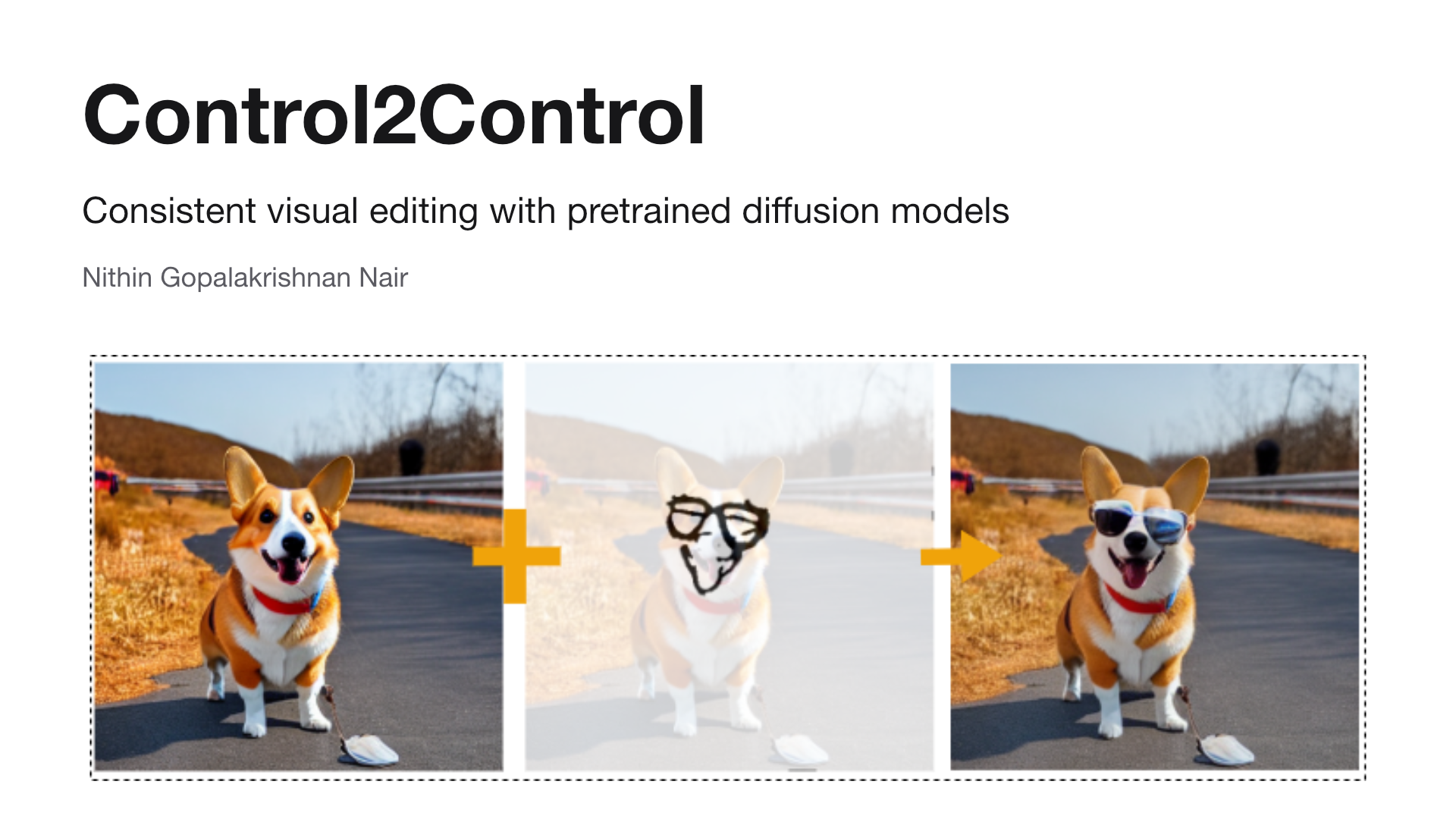
I worked on Control2Control during my Adobe internship. The project uses sketches, poses and layouts to edit an image while helping preserve the surrounding scene.
Research intern
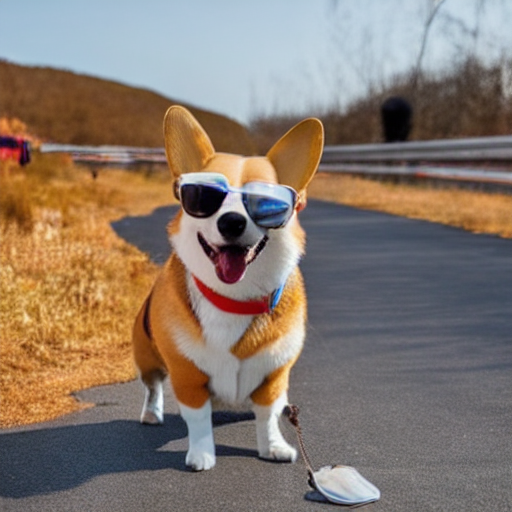
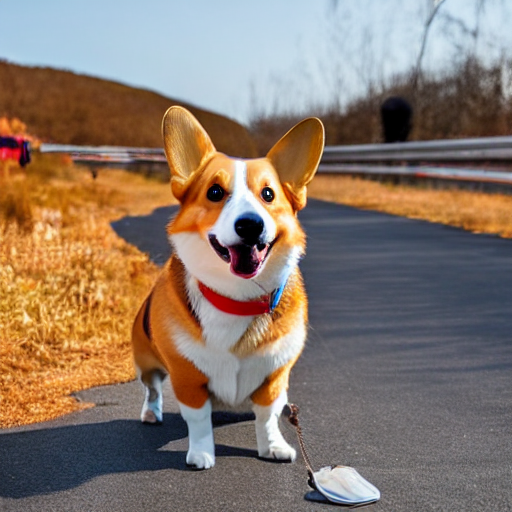
Original / Edited
Edit sketch
The sketch requests glasses, and the text prompt adds “wearing sunglasses.” Control2Control estimates the edit region internally.
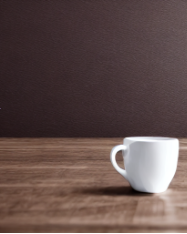
Object movement

Drag to compare
Pose-controlled edit
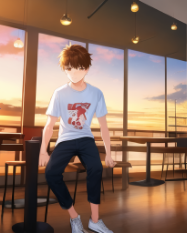
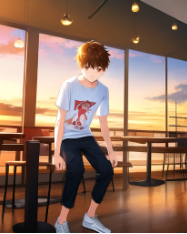
Drag to compare
How it works
Source and edited branches
The source branch uses the original spatial condition, while the target branch uses the edited sketch, pose or layout. Both use pretrained diffusion and spatial-control models; a new editor is not trained for each requested change.
Estimate the changed region
The method accumulates source and target self-attention features over intermediate denoising steps. Low-rank filtering of their difference and thresholding produce an edit mask, which selects where the target is allowed to change.
Attention-transfer diagram
Revitalized attention transfer
Revitalized attention transfer is a mask-guided self-attention operation for diffusion image editing. At selected layers, it uses the target branch's keys and values within the edit region and the source branch's keys and values elsewhere.
K̂t = M ⊙ Kt + (1 − M) ⊙ Ks
V̂t = M ⊙ Vt + (1 − M) ⊙ Vs
M is the edit mask: 1 inside the changed region and 0 outside it. The subscripts t and s denote the target and source branches, respectively.
The target branch retains its own queries. This lets the edited object attend to the original scene while giving the changed region freedom to follow the new spatial condition.
Results
The draft demonstrates adding an accessory with a sketch, moving objects and changing poses using pretrained models.
Large edits can shift object identity, and errors in the estimated mask can change background details. These results are from the research draft.
Presentation